Coping skills in eating disorder recovery: Which ones kept me going, and which ones I left behind
There were a few rare moments early in my eating disorder recovery where I felt a particular eagerness to make progress. I was trying it all: following my meal plan, journaling every time I felt the urge to engage in a disordered behavior, practicing my mantras even when I felt I didn’t need to.
Sometimes, these tactics worked. I cycled through them to get through most days. But sometimes, they didn’t.
And when they didn’t, I took it personally.
I’d asked myself, “Am I just bad at recovery?” I thought maybe recovery wasn’t for me.

I shared these fears with my support network, worried I’d be labeled one of the patients who just doesn’t have what it takes. Instead, I learned that there isn’t a one-size-fits-all coping skill that works for every recovery journey.
It’s common to use tools, find out they don’t work, and move on to something else. Or to use skills early in recovery and eventually swap them out as needs change.
This helped me view the success of my coping skills not as evidence of whether I was “good” at recovery, but as something I could experiment with, rotate, and completely abandon if they weren’t working.
In this post, I explore:
why we feel like a failure when certain coping skills don’t work,
what common eating disorder recovery coping skills look like, and
the coping skills that kept me stuck, and the ones that kept me going.
Why some coping skills can feel like failure
Coping skills in eating disorder recovery can help us deal with the protesting noise that arises from the disorder. The arguments between the disordered voice and the recovering voice can be roaring and overwhelming, and coping is one way to help quiet the clatter.
But not all coping skills fit every individual at every stage of recovery. When a coping skill doesn’t work, it’s easy to feel like we’ve failed, like the disorder is too strong or too loud, and we’ll be resigned to it for the rest of our lives.
It took me a long time to learn that there are tons of reasons why certain coping skills might not be working.
The wrong timing. If you’re jumping into recovery with your coping guns blazing, you might find some strategies to be overwhelming or unhelpful. This doesn’t mean they’re not for you; it just may mean you’re at…
…the wrong stage of recovery. Trying to enact drastic changes to your meal or exercise plan early in your recovery might be unrealistic.
Too much pressure to perform correctly. After years of attempting perfection to satisfy the eating disorder, I tried to apply this same ambition to recovery. But this pressure only resulted in setbacks until I learned how to recover imperfectly.
What are common eating disorder recovery coping skills?
Coping skills are tools and techniques used to manage stress, regulate difficult emotions, and navigate challenging life situations (National Alliance on Mental Illness). We use coping skills to process hard feelings and self-soothe, with hopes to come out on the other side clear-headed and even-keeled. Below are a few coping mechanisms that can be helpful for some people in eating disorder recovery.
Mindfulness & grounding activities
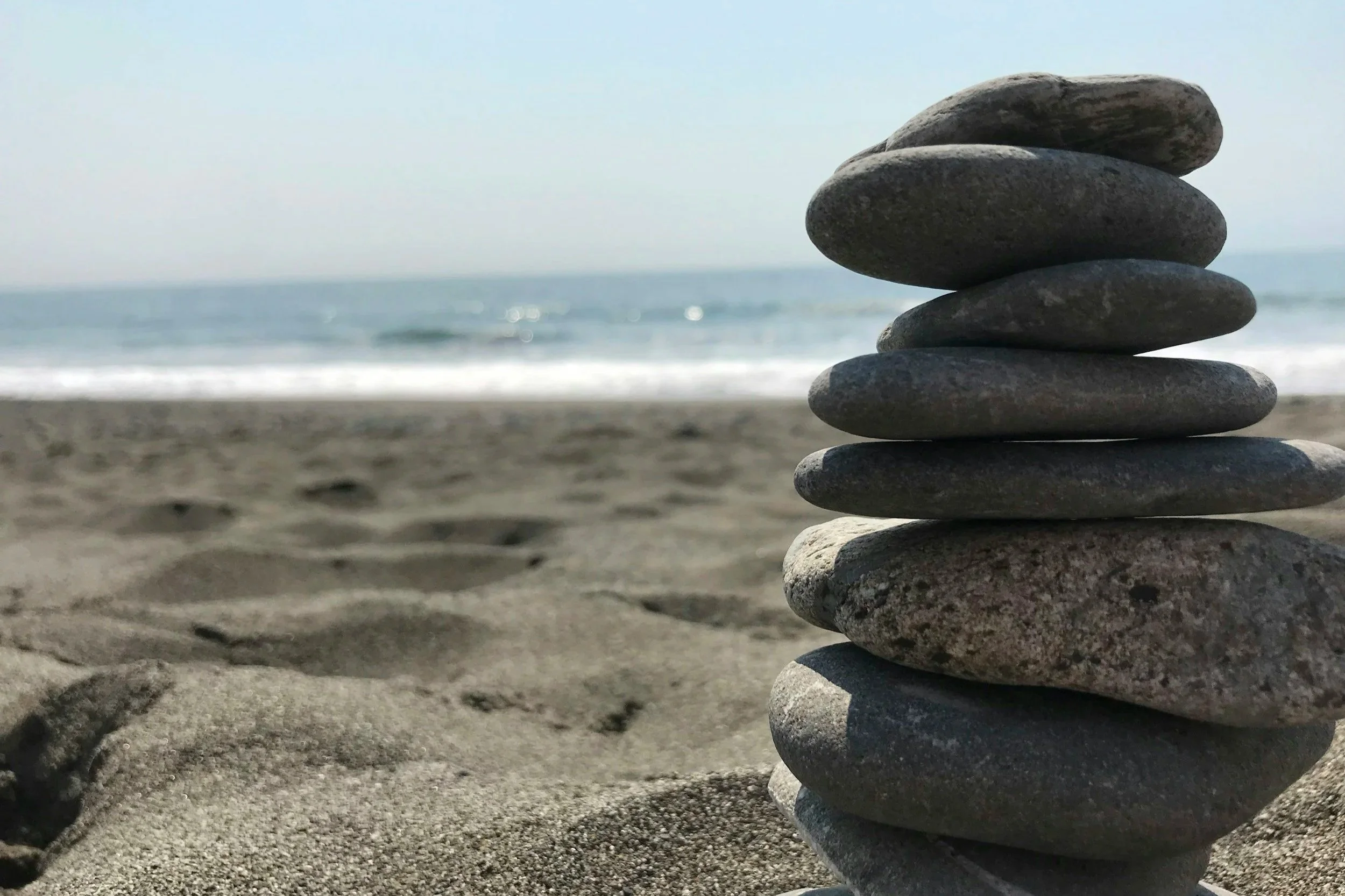
When our minds are running at full speed and we can’t find the exit ramp to a more peaceful place, one way to slow things down is through mindfulness and/or grounding exercises.
Activities like breathing patterns, noting physical sensations (e.g., naming what you can see, smell, hear, etc.), and meditation can serve as nervous system resets, bringing us back into the present moment.
Journaling
Writing about what’s happening in our minds is one way to help it make sense, or at least try to work it out on paper. It can be hard to see our thoughts replicated as words, but it can also be freeing to get them out of our minds and close the book on a tough moment.
Distraction
While not always the best long-term solution for uncomfortable feelings, distraction can serve as a solid secondary coping skill to decompress after feeling a difficult emotion. This might look like watching a comforting TV show or movie, reading a book, or going for a walk in nature.
Social support
Eating disorders thrive in isolation, which can hinder our ability to ask someone to listen to our struggles, which they may not fully understand. But social support, whether from a trusted friend, a therapist, or a family member, can be a crucial lifeline in times when rumination and spiraling threaten to throw us off our recovery course.
The coping skills that didn’t work for me (and why)
When I first started my recovery from disordered eating, I tested out a few coping strategies—not because they sounded particularly helpful for my situation, but because I was desperate. In doing so, I hit speed bumps that didn’t derail my recovery but certainly slowed me down and left me feeling defeated.
Meditation
Personal Story
“I suck at this,” is what I used to say to myself each time I sat down to try to meditate. My thoughts raced, my limbs ached, and I was just eager to finish. Over time, with the help of apps like Headspace, I keep practicing. And like yoga, meditation is a practice. So even on days when I (in my own words) “sucked” at it, I still tried, hopeful the benefits would come.
Leaning on social support
It was difficult for me to reach out for help without feeling like a burden to the other person. I saw reaching out as being too dependent on other people, venturing into hyperindependence as a defense mechanism. For a long time, I kept my struggles to myself, fearful that I’d be “too much” for someone and, as a result, might lose them from my life.
Takeaway: You don’t have to force yourself to use tools that don’t work for you. And just because something doesn’t work for you doesn’t mean you’ve failed.
The coping skills that kept me going
We don’t recover from eating disorders overnight. Recovery requires committing to small, incremental steps that provide steadiness rather than full-on transformation. The coping skills below are examples of what worked for me, from the early (and scariest) days of recovery to modern-day maintenance.
Small, repeatable actions
To feel safe enough to enter recovery, I couldn’t dive right in. I needed to tiptoe. Otherwise, overwhelm would have knocked me right back to denial.
To avoid taking on too much too soon and snapping my nervous system out of its cozy habits, I looked for small alterations I could make that, when combined over time, might result in real change.
Focusing on one meal (and one moment) at a time
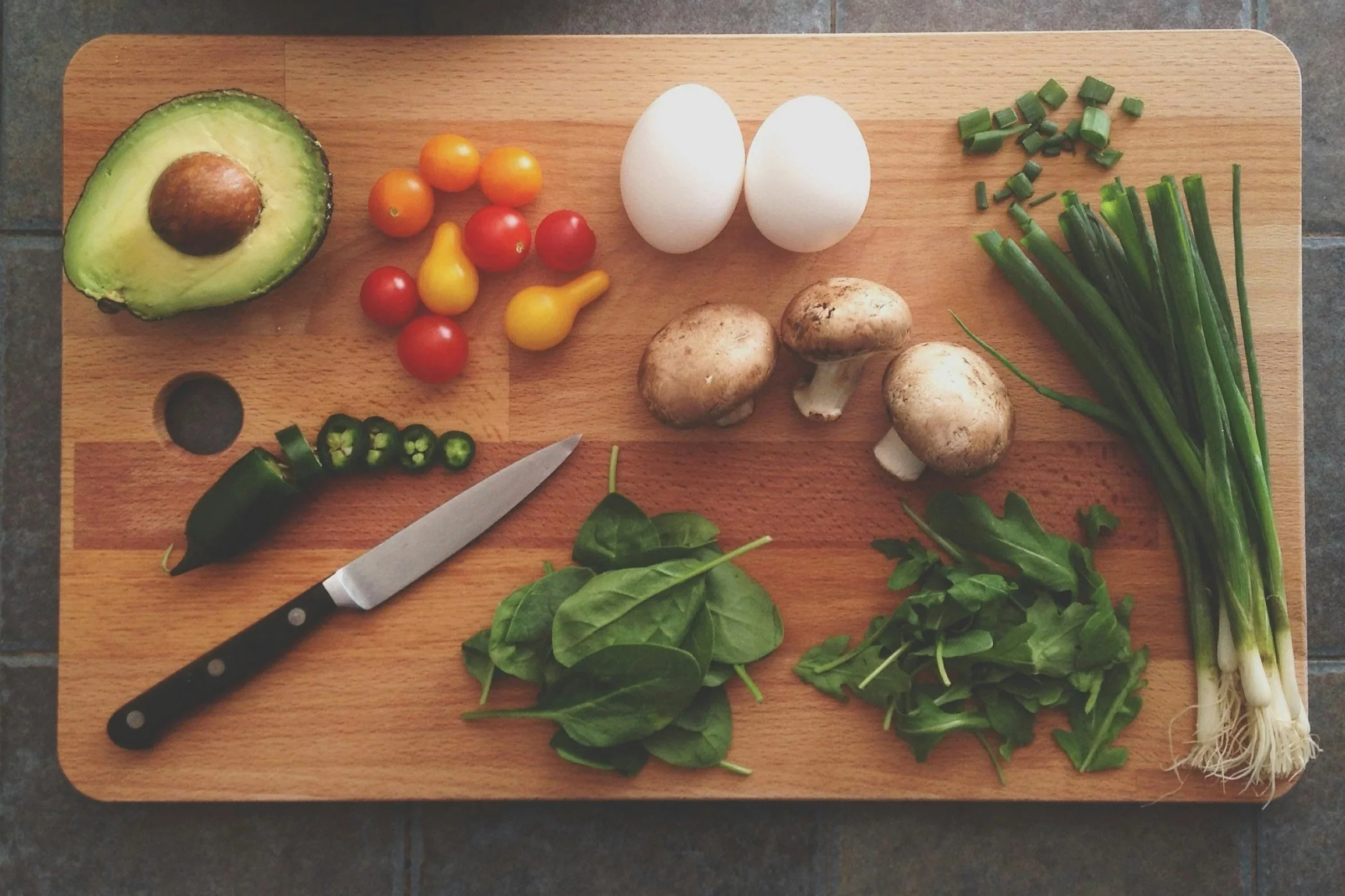
A lot of us in recovery like to plan; we like to know what to expect. We latch onto structure and apply predictability to every aspect of life.
Thinking too far ahead in time was ripping me out of the present moment. And being in the present moment was a skill I was trying to practice.
So rather than waking up and outlining my entire day—from meals to workouts to social time—I put off my propensity for planning and worked on whatever was directly in front of me. Maybe it was breakfast, maybe it was a writing project. Whatever it was, I gave it my full attention and trusted that I’d be able to deal with the next thing as it came.
Writing through the discomfort
Every time I felt the urge to engage in disordered behaviors, I reached for my notebook. Small enough to travel with me, it was never too far out of reach. I wrote down everything I felt—discomfort, urgency, anxiety, fear, shame. I put it all on the page, leaving me no other choice but to stare at it and see how much suffering the disorder stirred up in me.
Finding a community that understood what I was going through
For too long, the voice in my head convinced me I was the only person on the planet who knew how hard and complicated my eating patterns were. It wasn’t until I found a group of people who thought just like me that I started to feel less alone and could start unblending myself from the eating disorder.
Takeaway: As I leaned into each of these coping skills, I tried to let go of my desire for perfection. For me, progress wasn’t about doing these things perfectly; it was about doing them at all.
What I learned about eating disorder recovery coping skills
As I mixed and matched (and dropped) coping skills over the years, I learned some valuable lessons about coping and recovery, not only with eating disorders, but for all my life’s events to come.
Coping skills are seasonal. And not in the four cardinal seasons sense, but per the seasons of our lives. Coping skills evolve as we move through recovery, however long that takes. (Hi, I’m still here almost 20 years in!)
What works in dire times might not be effective for regular maintenance. You may have an arsenal of coping skills for emergency situations, but these might not be sustainable for the long term.
You’re allowed to swap out coping skills as you need to. What you need at any given stage of recovery may differ depending on your energy levels and emotional load.
There’s no right or wrong way to cope in eating disorder recovery
Struggling with coping skills doesn’t mean your recovery isn’t working; it just might mean that the particular coping strategy isn’t right for you, for your stage of recovery, or for your state of mind.
As you explore different coping mechanisms, try to approach them as experiments, using curiosity and care to cycle through them until you find what fits.

Pause & Prompt
Think about your current coping skills. Which do you find helpful? Which do you feel ready to release? Which old skills might you want to revisit?
More posts like this:



How compassion-focused therapy (CFT) works for patients with eating disorders.