Compare and despair: The danger of comparison in eating disorder recovery
When I joined my first eating disorder support group, my eating disorder wasted no time scanning the room and mentally clocking the body type of every other person there.
“OK, you’re not the thinnest person in the room, but you’re also not the biggest,” it tried to reassure me. But this only set me up to compare myself to others, our respective body shape-based progress indicating either how hard we worked at recovery or how much we failed.
Comparison is almost an automatic evil in recovery. When we’re already obsessed with productivity, appearance, and perfection, it’s second nature to look to others to decide how we measure up.
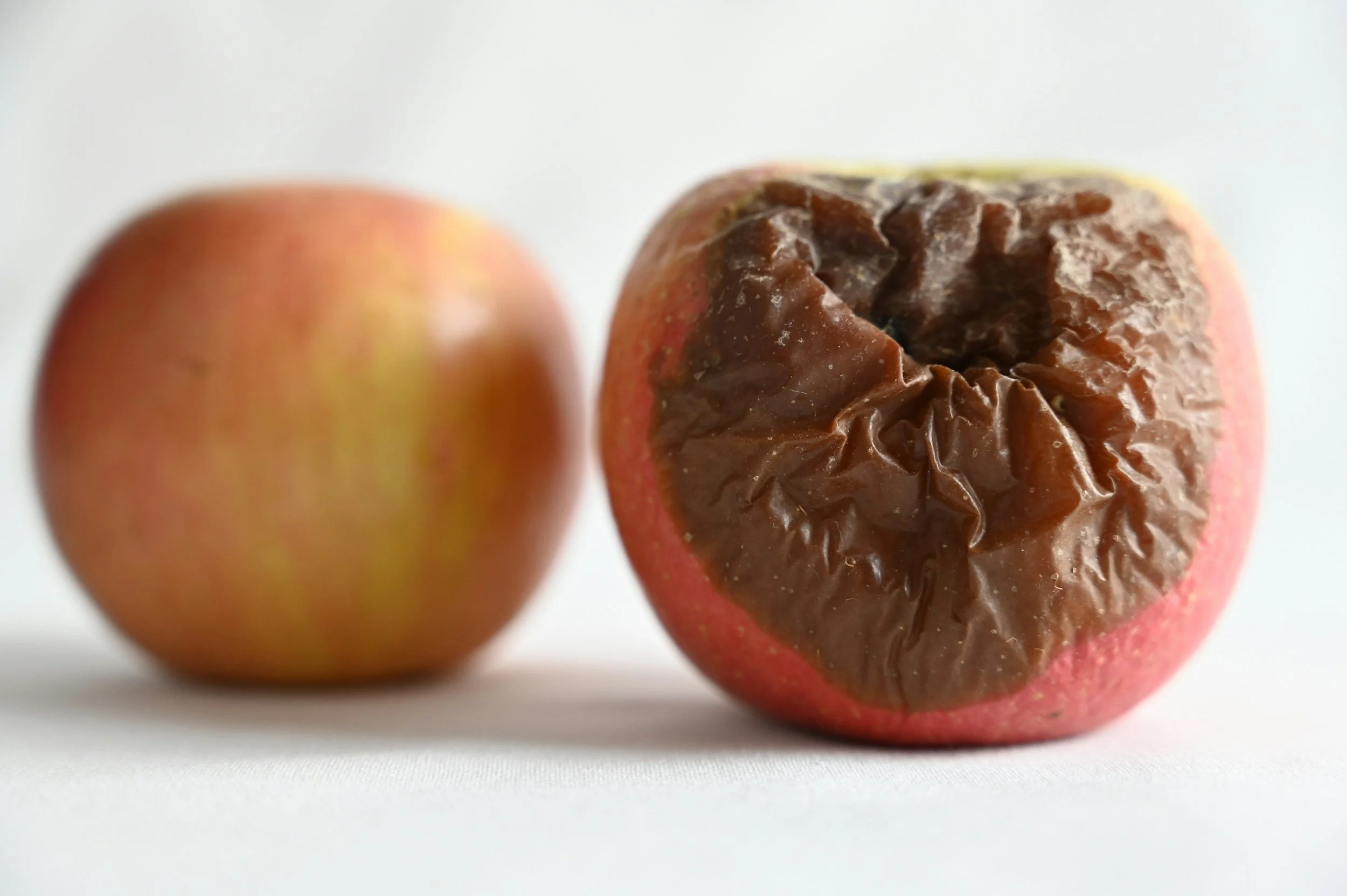
As a three-sport athlete in high school, competition was fierce. We were pushed to run faster, run longer, and play smarter. Meanwhile, self-conscious about my muscular, manly thighs, I was analyzing my teammates’ legs and finding relief when theirs were bigger than mine.
But focusing on what everyone else is doing takes the attention away from ourselves. And uncovering the self is the cornerstone of recovery, a skill that delivers the most meaningful rewards.
In this post, I’ll cover:
how comparison sneaks into eating disorder recovery,
why comparison is so dangerous in recovery, and
how to reframe the urge to compare.
How comparison shows up in eating disorder recovery
Many of us in eating disorder recovery come from competitive backgrounds, and even if our competition days are behind us, the urge to compare ourselves and our progress is still in us. Here are a few ways this shows up, both in the throes of disordered eating as well as in recovery.
Comparing physical appearance

From a young age, we compare ourselves to our peers and wonder what’s wrong with us if we grow faster or slower than others our age. If disordered eating is part of our development, or even our adulthood, comparing our bodies to others becomes as natural as taking a breath.
Social media has expanded the pool of people to whom we can compare ourselves, creating more opportunities to put ourselves up for judgment, both by others and by ourselves.
Comparing food choices and eating behaviors
Seeing how much others eat can make us question our own behaviors around food—whether we’re eating too little (which an eating disorder may support) or eating too much (which an eating disorder may want to punish us for).
Personal story: In college, some of my closest friends were constantly on diets, which made me wonder if I was supposed to be on diets, as well. Even though I didn’t outwardly engage in the same dieting behaviors, I picked up on some of their mantras, which effectively fueled my disorder later on.
Comparing exercise and rest
As we become adults and develop our own habits, we may feel lazy or behind if we aren’t as active as other people, or we may feel an illusion of pride if we push ourselves beyond our limits.
Why comparison is dangerous to eating disorder recovery
One of my favorite lines about comparison comes from one of the first books I ever read about eating disorders: Compare and despair. This is the fiest time I learned that if I continue comparing my body and my behaviors to others and to my past self, recovery would remain out of reach in the following ways.
First, seeking external comparison disconnects you from your own needs. When you’re focused on what someone else is doing, you’re not able to listen to your body’s internal cues, which means missing signals for fullness or fatigue.
Comparison also reinforces disordered thought patterns, especially those around competition and self-punishment. When this happens, recovery becomes black and white, leaving little room for nuance and consideration for the uniqueness of ourselves.
When we compare ourselves to others, we risk derailing any progress we’ve made by doubting our treatment or minimizing our struggles.
Personal story: “Maybe this is just what dieting is,” is something I frequently said to myself when I questioned whether my behaviors were problematic. I shrugged it off; seeing others engage in similar behaviors around me made it feel OK.
When I realized comparison wasn’t working for me
One of the catalysts that fueled my eating disorder was my subscriptions to health and fitness magazines. In these pages, I’d be bombarded with messages about what I should and shouldn’t eat, how to burn the most calories, and why being thin was aspirational. Each month, I’d soak up the content, not only applying all the advice to my life, but doubling down by taking it to extremes.

In one article series, they’d highlight a reader who had lost weight and reveal their diet and exercise routines that helped them do so. I’d instantly size myself up against this stranger: how their body looked compared to mine, how much they eat vs. how much I eat, the types of exercise we did.
In comparing myself this way, I’d developed a false sense of confidence that as long as I was doing “better” than these strangers, I was doing everything right.
How to reframe the urge to compare
The urge to compare can throw us off course, but with some practice in reframing thoughts, it becomes easier to shut these thoughts down when they arise.
Name and acknowledge the comparison
When thoughts pop up, naming them as comparisons can help you step out of the spiral. A mantra like “This is comparison, not reality” is an example of this.
Get curious about comparison

When you’re able to recenter yourself in recovery, allow yourself to get curious about your urge to compare. Asking yourself questions like, “Why am I comparing right now?” or “What part of me is seeking comfort or reassurance in this moment?” can offer clues as to why comparison is such a natural act.
Ground yourself in the present moment
Taking deep breaths, noticing sensory details around you, and/or redirecting attention to what you feel rather than what you fear can help center you in the moment. Remind yourself that there’s no right or wrong way to do recovery. Your journey is unique to you.
If you’re caught in the comparison loop…
…here are a few reminders:
Recovery is not a race or a contest.
Your body is not built to look like someone else.
Your pace doesn’t need to match someone else’s.
Comparison is often a symptom of something deeper.
The next time you feel the urge to compare, notice, take note of it, and ask yourself: In what ways can I choose myself over comparison?

Pause & Prompt
I feel the urge to compare myself to others because…
When I feel this urge, I…
More posts like this:



Social media algorithms: What they are, how they work, and how to cultivate a positive social media experience.